
"Arabian traditions"
800 article(s) found

Characteristics and Flavor description of Ugandan Coffee Bean Variety
For the exchange of professional baristas, please follow the Coffee Workshop (Wechat official account cafe_style) this batch of Ugandan Bugishu AA is very different from the Kenyan beans in neighboring countries. The acidity is not so bright, and it is not as good as the wine, sweetness and spices that occasionally appeared in the early Bugishu, but the body is as good as the Kenyan beans that arrived this year! Bugishu (or Bugisu), which happens to be

Coffee in Yemen details the origin of coffee in Yemen
Before the 6th century AD, Yemen was called Arabia, so coffee trees shipped from Yemen to other places were also called Arabian coffee trees. But the origin of these trees is Ethiopia. Yemen is the first country in the world to produce coffee on a large scale as a crop. Today, coffee farmers in Yemen still use the same method to produce coffee as they did 500 years ago.

Coffee culture Arabs pay great attention to the etiquette and procedure of drinking coffee
When Europeans first came into contact with coffee, they called the seductive drink Arabian wine, and when conservative Catholics cursed coffee as the devil's drink, they never thought of what a precious thing they inherited from the pagans. As the first region in the world to drink and produce coffee, Arab coffee culture is like it.

Introduction to the treatment method of planting and Development History of Ugandan Coffee single Bean Flavor description
For professional baristas, please follow the coffee workshop (Wechat official account cafe_style) Ugandan coffee in Uganda, Arabica beans account for only 10% of the country's total coffee production, but it is enough to attract attention. The best coffee in Uganda is mainly produced in the mountains of Elgon and Bugisu along the Kenyan border in the north, as well as

Description of planting Information and Flavor of single Coffee Bean grading Standard in Uganda
For the exchange of professional baristas, please pay attention to the coffee workshop (Wechat official account cafe_style) several kinds of coffee beans in Arabica (ARABICA) Uganda coffee grade is the same as Kenya. The AA grade is the best, which represents the uniform and uniform size of coffee beans, but the grading system will vary according to the evaluation of each manor. for example, Manor An is better than Manor B, even if it is superior to Manor B.

Yemeni coffee in the Arabian Peninsula of the Asian continent has a unique, wild and complex Yemeni boutique coffee.
Boutique coffee (specialty coffee) is also called specialty coffee selection coffee. It refers to coffee made from a small number of raw beans with excellent taste grown in an ideal geographical environment. Depending on the special soil and climatic conditions in which they grow, they have outstanding flavor. After strict selection and classification, this kind of coffee is hard in texture, rich in taste and stylish.

Processing method for describing the characteristics of Information and Flavor in the planting area of single Bean and Coffee Bean in Uganda
Professional barista exchanges please pay attention to the coffee workshop (Wechat official account cafe_style) Uganda's geographical conditions and climate: Uganda is an inland locked country, not by the sea, but there is a Weidoria Great Lake, neighboring Kenya to the east, Zaire to the west (now the Republic of the Congo), Sudan to the north and Tanzania to the south, due to the high mountains in the country and the adjustment of Lake Weidoria.
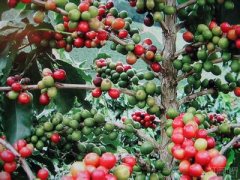
Yemeni coffee beans from 12 famous high-quality coffee producing areas
Before the 6th century AD, Yemen was called Arabia, so coffee trees shipped from Yemen to other places were also called Arabian coffee trees. But the origin of these trees is Ethiopia. Yemen is the first country in the world to produce coffee on a large scale as a crop. Today, coffee farmers in Yemen still use the same method to produce coffee as they did 500 years ago.

Does the wild Yemeni mocha taste good or not? Yemeni mocha coffee tastes good.
Professional coffee knowledge exchange more coffee bean information please follow the coffee workshop (Wechat official account cafe_style) [Preface] Yemen is located in the southwestern tip of the Arabian Peninsula, adjacent to Saudi Arabia and Oman, bordering the Red Sea, the Gulf of Aden and the Arabian Sea. Yemeni mocha coffee is the oldest coffee in the world, and Yemen is one of the first countries in the world to grow coffee. It is said that as early as 1561 AD

Mocha coffee beans are made in Yemen.
Yemen was called Arabian until the 6th century AD, so coffee trees shipped from Yemen to other places were also called Arabian coffee trees. But the origin of these trees is Ethiopia, and the Dutch spread these coffee trees around the world. Dutch businessmen sailing eastward around the Cape of good Hope (The Cape Of Good Hope) began their long distance

Yemen is located in the Arabian Peninsula on the Asian continent. Mocha coffee
Coffee consuming countries are willing to pay high prices for coffee as long as it is delicious; consumers will not abandon coffee as long as it is delicious, and the market will grow. High-quality coffee, represented by specialty coffee, is bigger business than coffee. Both coffee producers and consumers have discovered this simple fact. In recent years, coffee producing countries no longer blindly pursue high yield and neglect quality.

The ancient flavor of Yemeni coffee is the oldest coffee in the world. Is Yemeni coffee good?
Professional coffee knowledge exchange more coffee bean information please follow the coffee workshop (Wechat official account cafe_style) [Preface] Yemen is located in the southwestern tip of the Arabian Peninsula, adjacent to Saudi Arabia and Oman, bordering the Red Sea, the Gulf of Aden and the Arabian Sea. Yemeni mocha coffee is the oldest coffee in the world, and Yemen is one of the first countries in the world to grow coffee. It is said that as early as AD 15,

The spread and Development of Coffee History
The spread and development of coffee European historians argue that there were artificially grown coffee trees for trade in Yemen in the southern Arabian Peninsula as early as 800 years ago, and there is also historical evidence that at that time, there was indeed trade across the Red Sea between Yemen and Ethiopia. Based on this, it is speculated that if the use of coffee is made by Ethiopians

Ethiopian coffee introduces the world's best Arabian coffee shepherds found
Ethiopia is one of the major producers of Arabica coffee in Africa, producing the best Arabian coffee in the world. It is said that coffee was first discovered by shepherds in Essekafa, and the name of coffee evolved from Kafa, so Essex is still the hometown of coffee. The geographical environment of coffee production and processing is very suitable for coffee growth. Coffee is mainly cultivated.

What are the types of coffee pots and their instructions
Coffee beans have spread from the Arab region to all parts of the world, but the method of making Arabian coffee has not spread. The most basic difference between Arabian coffee making and other methods is that according to tradition, Arabs boil coffee three times. Repeatedly brewed coffee will lose some very delicate taste, but as a result, it will win a rare espresso. Arabica coffee
Coffee producing areas in Yemen
Before the 6th century AD, Yemen was called Arabia, so coffee trees shipped from Yemen to other places were also called Arabian coffee trees.
Global coffee producing area-Yemen
Before the 6th century AD, Yemen was called Arabia, so coffee trees shipped from Yemen to other places were also called Arabian coffee trees.

How people drink Coffee in Coffee Culture around the World (2)
Editor's note: now it is much easier for people to drink coffee than before, either go to a coffee shop or make their own coffee beans, so how did people drink coffee when coffee first originated? The ancient Arabian coffee culture when Europeans first came into contact with coffee, they called this seductive drink Arabian wine, when conservative Catholics cursed coffee as the devil's Satan.

Ethiopian Harald coffee
Harald coffee is characterized by high-quality Arabian flavor, dry aroma with slightly sour wine, suitable mellow, strong purity and wonderful dark chocolate aftertaste.
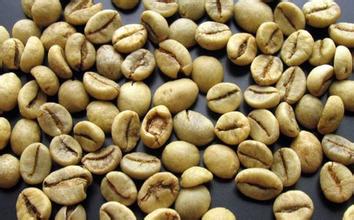
Yemeni coffee beans mocha coffee beans in Asia have slippery and fragrant flavor characteristics.
Yemen was called Arabian until the 6th century AD, so coffee trees shipped from Yemen to other places were also called Arabian coffee trees. But the origin of these trees is Ethiopia, and the Dutch spread these coffee trees around the world. Dutch businessmen sailing eastward around the Cape of good Hope (The Cape Of Good Hope) began their long distance